

What a leadership development programme includes, with examples
What a leadership development programme includes, with examples, how long one should run, what to ask a provider and how to tell whether it worked.
- Topic
- Leadership
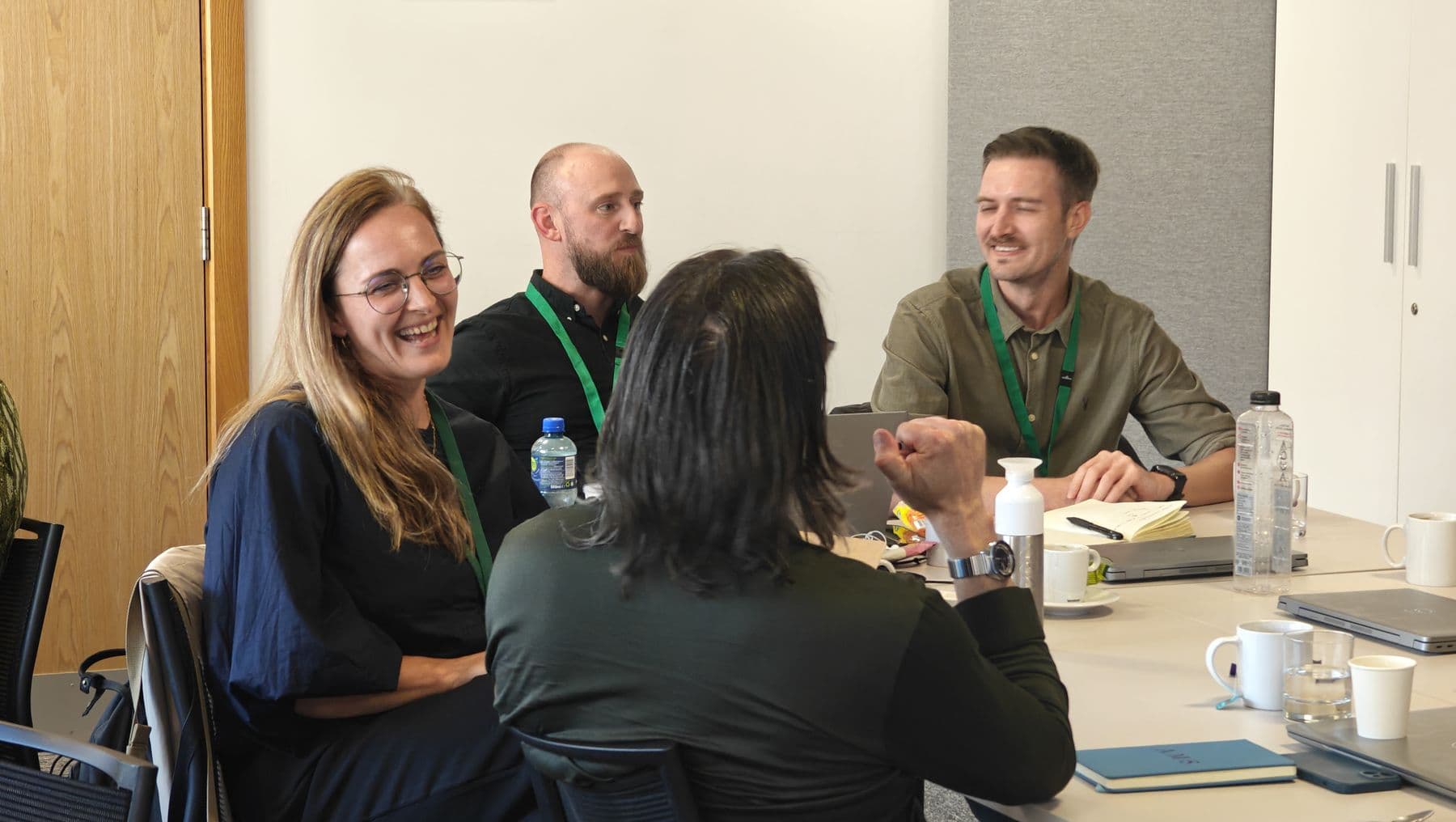
A leadership development programme is structured work with a group of leaders to change how they lead, communicate and make decisions together. Most programmes include workshops, practice on real situations, coaching and work to apply between sessions. At Inner Leader they run from a single intensive day to programmes across 6 to 12 months.
If you work in HR or learning and development, or you have been asked to find a programme for your managers or your leadership team, this guide is for you. It covers what a programme includes, examples of the formats, how long one should run, what to ask a provider and how to tell whether it worked.
Inner Leader is a UK leadership, team and sales development consultancy based in Leamington Spa, Warwickshire. We run leadership development programmes for leadership teams and emerging leaders, in person anywhere in the UK, virtually or a mix of both. The client examples below come from our published case studies.
What a leadership development programme is for
The purpose of a leadership development programme is to change what leaders do at work. A good one leaves a group of leaders behaving differently in the meetings, one-to-ones and decisions they already have.
A course that passes on knowledge about leadership is a different thing. Knowing a model of leadership is useful, but an organisation pays for a programme because of the change it can see afterwards. That change might be more honest discussion and healthy challenge in leadership meetings, or faster and clearer decisions that stay made. It might be leaders who stay self-aware under pressure, or emerging leaders who step up with confidence.
Most leadership qualities can be developed with practice and feedback. We cover the evidence for that in our article on whether leaders are born or trained.
What a leadership development programme includes
Programmes differ from one provider to the next. These are the six parts we would expect to see in a good one.
- A conversation before anything is designed. The provider talks to you, and often to the leaders, about what is happening now and what you want to be different. This is where you agree the outcomes and how you will measure them.
- Workshops with the whole group. These are the sessions where leaders learn together, in person or virtually.
- A shared language for personality styles. Many programmes use a personality profiling tool so that leaders can talk about their differences without it becoming personal. We use Everything DiSC.
- Practice and feedback. Leaders try a skill on a real situation from their own work, hear how it went and try again.
- Work to apply between sessions. Each leader takes one thing into a real conversation at work and reports back at the next session.
- Coaching alongside the group work. One-to-one sessions give each leader somewhere to work on the thing that is getting in their own way.
A programme for managers will often add coaching skills, so that managers learn to develop their own people. Our coaching skills for managers programme is built around that.
A programme for one senior leader looks different again. It may start with feedback from the people they work with most closely, such as our interview based 360 feedback, followed by coaching.
Examples of leadership development programmes
The three formats below run from the shortest to the longest. The first two are from our published case studies.
One intensive day for a leadership team
Harvey Nash's UK and Ireland leadership team had been through significant change. A long-serving Managing Director had recently left, the market was demanding and some of the managers had never met in person. The team came together in Leeds for a Leadership Team Accelerator day, which is an intensive one-day session for a leadership team. The day focused on self-awareness, trust and shared responsibility.
Leaders left re-energised, aligned and proud of the team they were part of. The session gave the leadership team a shared language and practical reference points they could take back into the business. The Harvey Nash case study has the full account.
Short sessions spaced across several months
ITV was moving to a new organisational structure and wanted senior managers in its media team to coach their own people. The programme was four ninety-minute workshops spaced out from October to March, delivered virtually. Every manager also had two sixty-minute one-to-one sessions, and a final one-hour group review closed the programme.
Across the programme, the managers' own rating of their confidence in coaching others rose by 116%, from an average of 3.7 out of 10 to 8. The ITV case study sets out how it was built.
A programme over several months for emerging leaders
Emerging leaders are often people who were promoted for technical skill and are now leading people for the first time. A programme for them typically runs for a group of leaders over several months, mixing workshops with coaching. Ours are for groups of 8 to 20 emerging leaders.
How long a leadership development programme should run
How long a programme should run depends on what you want to change. One day can be enough to bring a leadership team together and agree how they want to work. A change in everyday habits, such as how a manager runs a one-to-one, needs several sessions with weeks of practice in between.
As a guide, our own programmes run from a single intensive day to programmes across 6 to 12 months. Our article on how long a leadership development programme takes goes through each format and the research on spacing learning over time.
How management training and leadership training differ
The two terms are often used to mean the same thing, and providers draw the line in different places. In general, management training covers the tasks of running a team, such as setting objectives, planning the work and following your organisation's processes. Leadership training usually works on how a person behaves with other people: how they communicate, build trust, handle challenge and make decisions.
Most people who lead a team need both, and the two overlap.
Four questions to ask a provider before you book
These four questions tell you most of what you need to know about a provider.
- Who will be in the room? The person selling is often not the person delivering.
- What happens between sessions? New habits form in the weeks between sessions, so ask what leaders will be asked to do and who follows it up.
- Can we speak to two clients of roughly our size?
- What would you refuse to do? A provider with a clear method will turn some requests down.
A good proposal then describes the problem in your words. It tells you the format, the total time people will spend in sessions, who delivers it and what participants take away. It also gives a fixed price and says what is included. Our guide to leadership training for small businesses has more on comparing providers.
How to tell whether a leadership programme worked
A widely used way to evaluate training is the Kirkpatrick Model, created by Dr Donald Kirkpatrick in the 1950s. It looks at four levels, which are described on the Kirkpatrick Partners website.
- Reaction. Did people find the programme relevant and engaging?
- Learning. Did they gain the knowledge, skills and confidence the programme set out to build?
- Behaviour. Are they doing things differently at work?
- Results. Did the outcomes the organisation wanted happen?
A feedback form on the day only measures the first level. To measure the others, agree before the programme starts what you want to see change, take a measure at the start and take the same measure at the end. At ITV the managers rated their confidence in coaching others out of ten before the programme began and again at the end. That is how we know it rose by 116%.
Where leadership development programmes go wrong
In 1988 Baldwin and Ford published a review of the research on whether people use what they learned once they are back at work, and keep using it. Researchers call this transfer of training. Their review looked at three things that affect it: the people being trained, the design of the training and the work environment they go back to. In our experience programmes go wrong in the same three places.
The first is the people. A programme works best with leaders who are open to feedback, reflection and honest conversation.
The second is the design. A single workshop with no follow-up gives people a good conversation on the day, but little of it lasts. New habits only form when people try them on real situations and come back to talk about what happened.
The third is the workplace. When the person the leaders report to takes no part, people treat the programme as an HR exercise.
If you are choosing a programme for your own leadership team or emerging leaders, our leadership development page explains how we run ours and who they are for.
See the programmesQuestions
What is the purpose of a leadership development programme?
The purpose of a leadership development programme is to change how leaders behave at work, in the meetings, one-to-ones and decisions they already have. Organisations use them to get more honest discussion in leadership meetings, faster decisions that stay made and emerging leaders who step up with confidence.
What are some examples of leadership training?
Examples of leadership training include a one-day session for a leadership team, short workshops for managers spaced across several months and a programme for emerging leaders that mixes workshops with coaching. Inner Leader's published examples include a Leadership Team Accelerator day for Harvey Nash and a coaching skills programme for senior managers at ITV.
What is the difference between management training and leadership training?
In general, management training covers the tasks of running a team, such as setting objectives, planning the work and following the organisation's processes. Leadership training usually works on how a person behaves with other people: how they communicate, build trust, handle challenge and make decisions. Most people who lead a team need both, and providers draw the line in different places.
How do you measure whether a leadership development programme worked?
You measure a leadership development programme by agreeing what should change before it starts, then taking the same measure at the start and at the end. The Kirkpatrick Model gives four levels to look at: reaction, learning, behaviour and results. On Inner Leader's coaching skills programme at ITV, managers rated their confidence in coaching others before and after, and it rose by 116%.

Bring this into the room.
Tell us what's going on with your team. If we're not the right fit, we'll let you know. We reply within one business day.