

ITV · Broadcast media
ITV senior managers who learned to coach their own people
A new organisational structure was asking senior managers in ITV's media team to lead in a way they had not led before. Across the programme, their own rating of their confidence in coaching others rose by 116%, from an average of 3.7 out of 10 to 8.

The challenge: a new organisational structure
ITV was moving to a new organisational structure. Managers who were used to leading one way were being asked to lead in a completely different way, and the people put forward for this programme were the ones most affected by that change. The brief was to equip senior managers in the media team with authentic coaching skills and the mindset to coach others effectively, so that their teams could carry more ownership and collaborate across departments in fast-moving project work.
The managers themselves were honest about where they were starting from. Asked to rate their confidence in coaching others out of ten before the programme began, they gave scores of two, three and six. One wrote: "I realised I was doing very little coaching before and was reliant on more traditional teaching methods." Another said: "I didn't really understand the difference between coaching, being a mentor and being a manager."
What was designed: a coaching skills programme for managers
Inner Leader built a Coaching Capability System around the group: a programme of short, focused sessions spaced out from October to March, delivered virtually so it fitted around production and project commitments. The intention was to make coaching a leadership habit that would still be there after the sessions finished.
The structure was four ninety-minute interactive workshops, covering coaching mindset and leadership identity, core coaching skills, building coaching into the team's fast-moving, agile way of working and handling challenge and resistance through coaching. Alongside the group work, every person had two sixty-minute one-to-one sessions in which they brought a live challenge and worked on the mindset barriers that were getting in the way of coaching. A final one-hour group review and accountability session closed the programme, and each participant took away a coaching toolkit, handouts and quick-reference guides.
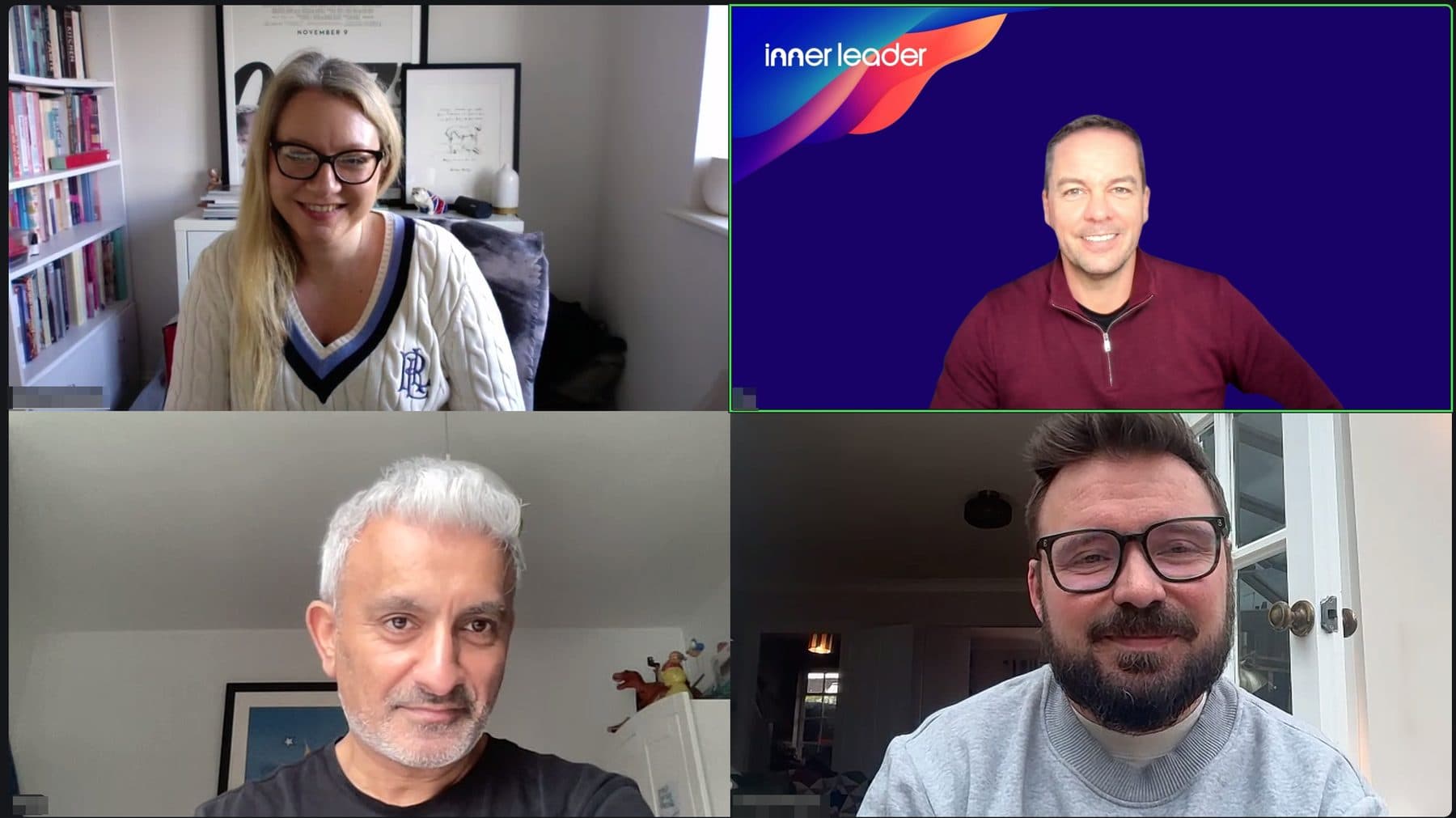
Tim Cooper-Robins delivered the programme with Sarah Cooper-Robins. The spacing was deliberate. Short sessions across several months gave the managers time to take something into a real conversation at work, then come back and talk about what happened, which meant a lot of change for relatively little classroom time.
This completely shifted my mindset as a manager. I'm now focused on developing people, not just directing them.
In the coaching skills workshops
The workshops were practice-led. The group worked on the two types of question a coach can ask, the right balance for a coaching conversation (which we call the golden ratio) and the 80:20 rule: listening for 80% of the conversation and talking for 20%. They looked squarely at the common traps for senior managers: directing, driving the agenda and rushing for speed. Each session opened with a check-in round and clear agreements, including confidentiality and a safe space to practise, make mistakes and give each other feedback.
The media team works in an agile way: work is planned in short cycles called sprints, with a brief daily check-in meeting called a stand-up and a review at the end of each cycle called a retrospective. So the coaching was mapped onto the work itself: planning each sprint and agreeing priorities, daily stand-ups and progress conversations, problem-solving and removing whatever is holding the work up, retrospectives, communicating with stakeholders, team dynamics and psychological safety (people feeling safe to speak up).
Most of the time was spent coaching. In pairs, one person brought a real current challenge and the other kept to asking questions, sitting mainly in silence and listening deeply, then closed by getting their partner to commit to specific next actions. Each round ended with three pieces of positive feedback and one piece of constructive feedback. Between sessions, each manager chose one real conversation at work and applied the 80:20 rule of listening to it.
What changed for the managers
The one-to-one was where most of them noticed it first. "How I run my one to ones is the biggest change but also overall approach to work conversations across the board," one wrote, describing the result as "more open and honest conversations with team. Partnership rather than parent / child or teacher style relationship." Another started theirs differently, opening with "What's on your mind?" and using a questioning model from the programme to shape the questions that followed.
The behaviour that came up most often was restraint. One manager summed up the habit they had built in four words: "Not be afraid of silences!" Another described the shift as "not just answering the questions, telling my team the answers or doing it for them. Actively using open-ended questions to guide them to the answers themselves."
It moved beyond one-to-ones quickly. One manager reported: "With the team of execs I get a lot more engagement in workshops when taking a coaching approach." Rolling out a new system to the team, the same person wrote: "Currently as we learn a new system within the team (AMT), I'm running through a collaborative workshop approach rather than traditional teaching."
And they began to see it in their people. "I've actively seen my team grow during this time," one wrote. "One member in particular has massively shown steps of empowerment and confidence."
What the business saw
Speaking to Inner Leader after the programme finished, the head of the team described changes he had watched from outside the room. One manager who had previously needed external validation for her work began coaching her own people and letting them take the credit. The teams reporting into the managers on the programme saw their performance and output rise sharply. He was clear that several factors contributed to that and that the programme was one of them.
The example he returned to was a junior team member who had been close to a formal performance conversation before the programme and who became one of the strongest people on the team, in output and in the way she supported her colleagues. A director noticed the change in her and commented on it without knowing that the programme was running.
How the managers rated the programme
Every element of the programme was scored nine or ten out of ten by every respondent: the workshops, the one-to-one sessions and the final review session all averaged 9.7, as did the programme overall and the likelihood of recommending it to others.
The way Tim ran the sessions drew particular comment. One participant wrote that Tim "always manages to bring a big positive energy to every session and his knowledge, tools and digestible content has been easy to learn and apply in day to day working life." Another described him as "warm, engaging and brilliant at getting ideas and concepts across."
Asked what would be valuable next, one answered: "Using these skills in day to day work life and continuing regular coaching sessions between my fellow ITV colleagues in this programme." The group had decided to keep coaching each other.
The biggest win from this course is seeing my team grow and deliver stand-out results, whilst also boosting my confidence for managing, mentoring and coaching others.
Could this be your team?
Tell us what's going on with your team. If we're not the right fit, we'll let you know. We reply within one business day.