

Interview based 360 feedback that senior leaders act on
Your senior leader needs a clear picture of how they land with the people around them, and something practical to do about it. Leadership Impact 360 gives them that through confidential conversations with the five or six people they work with most closely. Run virtually as standard, or in person by arrangement.
- People who work with the leader, interviewed in depth
- 5 or 6
- One-to-one sessions with the leader
- 2
- Sarah Cooper-Robins
- Led by

Most senior leaders have been through a 360 at some point, where colleagues above, below and alongside them give feedback on how they lead. A link arrives, people tick boxes, a report comes back with a spider diagram and a column of averages, and nobody is much the wiser about what to do differently.
This one works differently. We sit down with five or six of the people who work most closely with the leader, for half an hour each, in confidence. We ask what it is like to work with them, how their decisions land, where they help and where they get in the way.
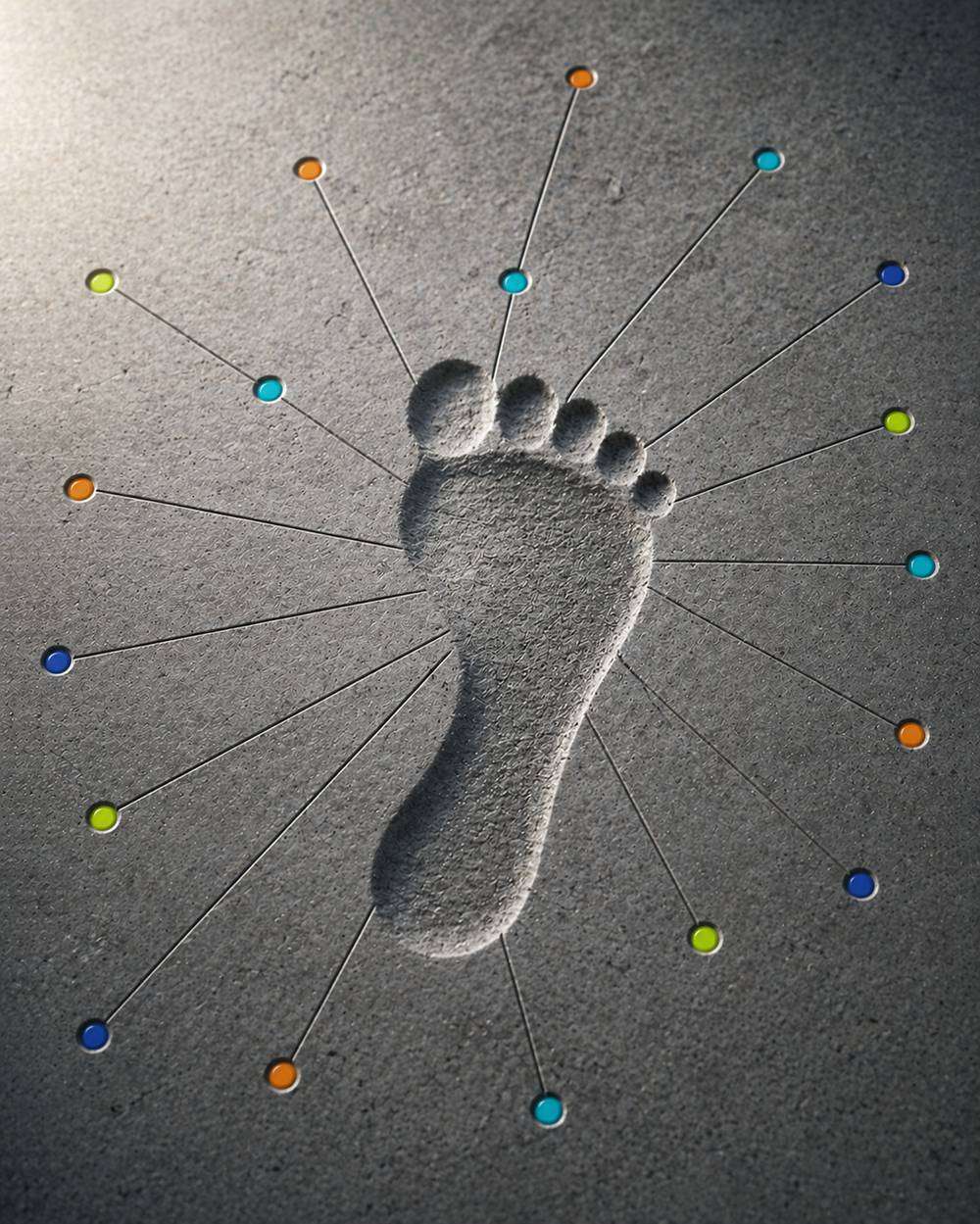
Then we look for the pattern. One person's view is one person's view. When three people describe the same thing in three different sets of words, that is a pattern and it is worth a leader's attention. The pattern is what we call their leadership footprint: how they are experienced by the people around them, whether or not they intended it.
Sarah Cooper-Robins leads the work. She is an occupational therapist who spent twenty years in the NHS, nearly all of it in mental health, in roles where people told her difficult things because she made it safe to. That is the skill the whole thing rests on.
When organisations ask us for a 360 review of a senior leader
- A capable senior leader whose progression has stalled and nobody has told them why
- Feedback that keeps arriving second hand, through other people, months after the event
- A leader who has had a numerical 360 before and could not work out what to change
- A newly appointed executive who needs to know how they are landing in their first six months
- A pattern the leader's sponsor (the person who commissions the work) can see clearly and has not yet found a way to raise
- Two or three leaders where the same theme keeps surfacing in different teams
Who this is for
This work is built for:
- Senior leaders and executives who want a straight answer about their impact
- Sponsors and HR leads who need a development conversation to start from evidence
- Leaders who have had a numerical 360 and want something they can use
- Organisations investing in one or two people they intend to keep
It is not the right choice for:
- Situations where feedback is really being used to manage poor performance
- Anyone who has not agreed to it, since feedback needs the leader's consent to be worth anything
- Whole groups at once, since this works with one leader at a time
- Situations where stakeholders cannot speak freely without it costing them
How it works
Confidential conversations with five or six stakeholders
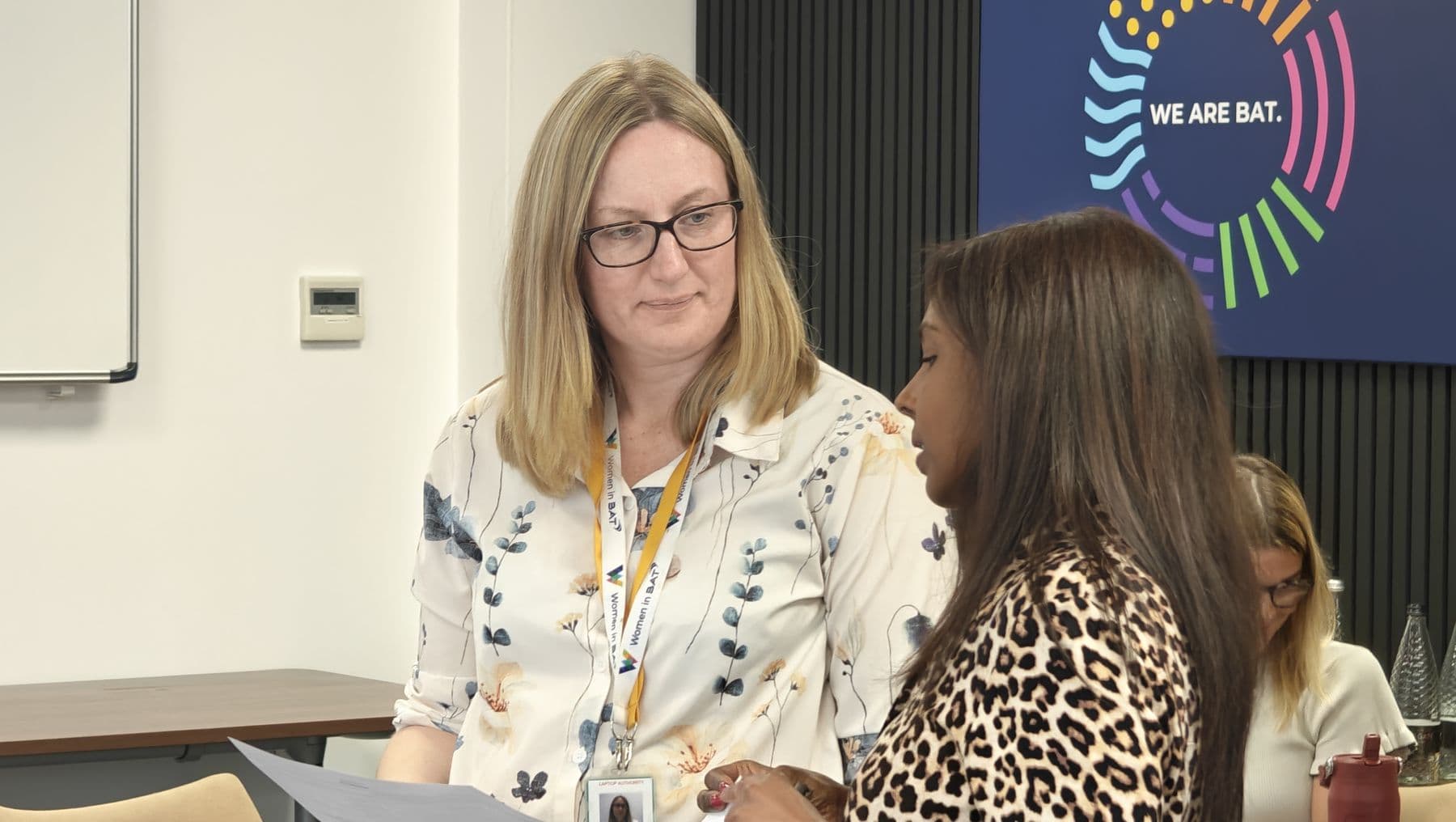
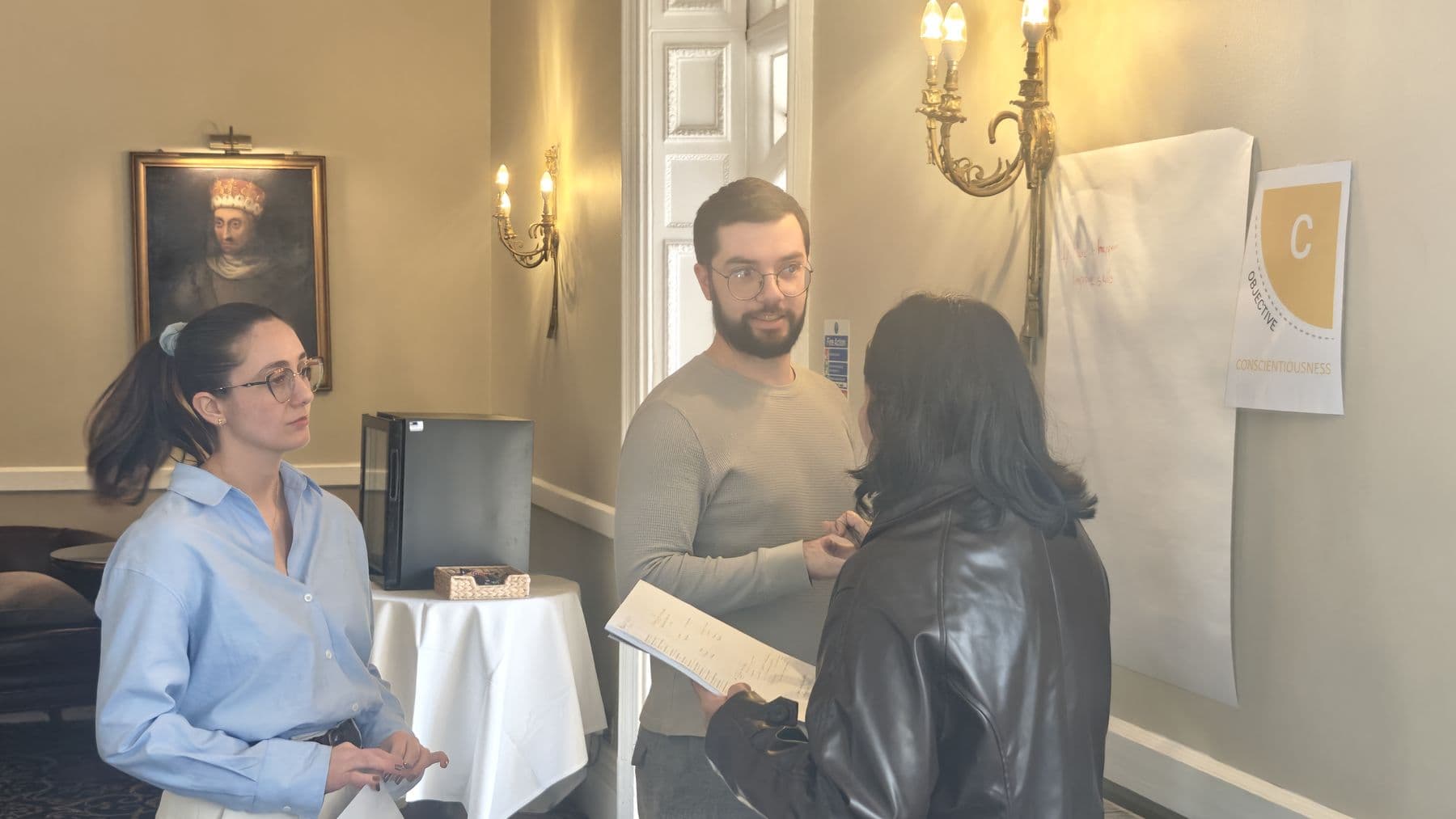
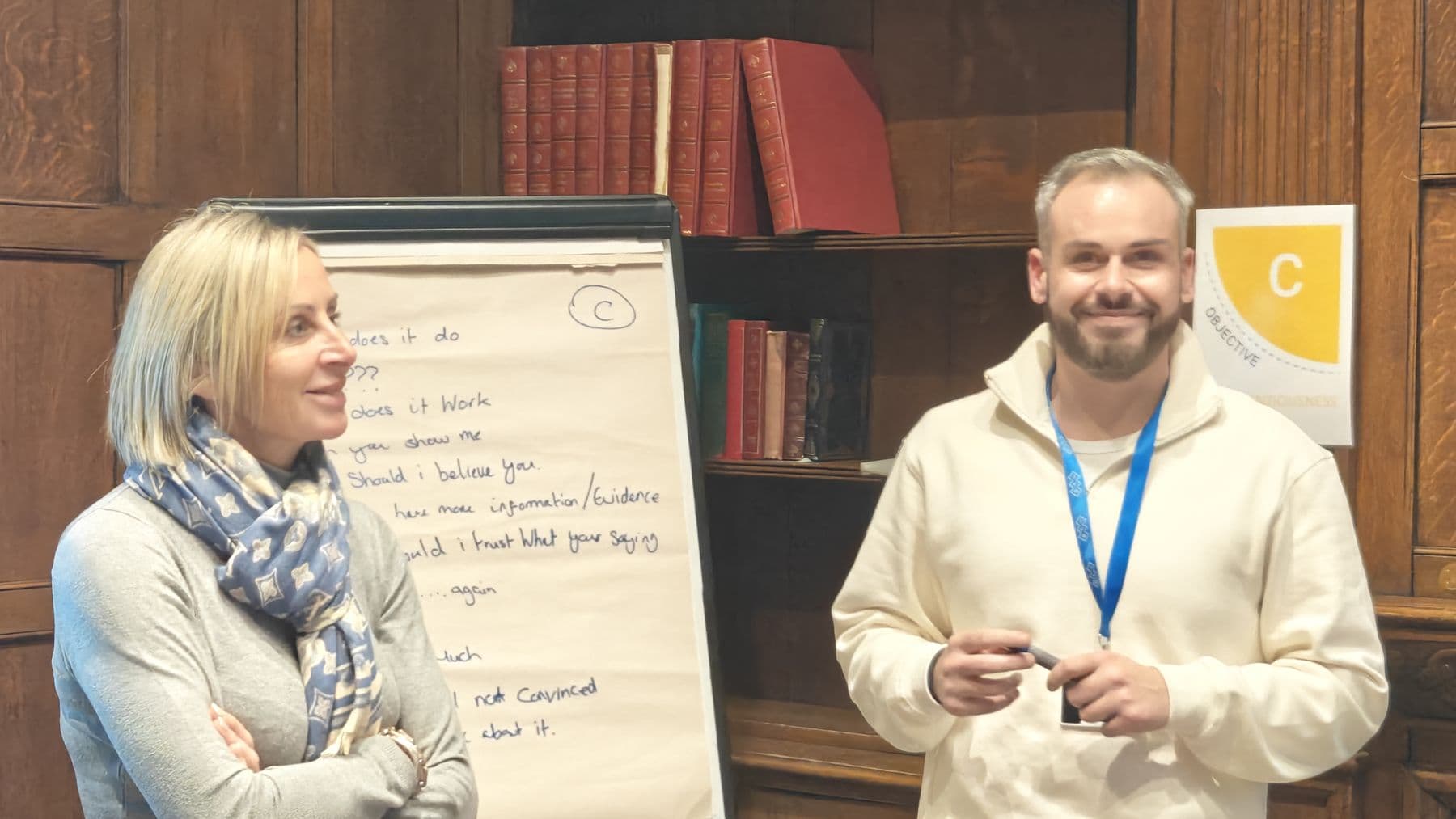
We agree the stakeholder group with you (the five or six people who work most closely with the leader), then speak to each person for thirty minutes. We ask about the leader's strengths and impact, their behavioural patterns and communication style, how their decisions and interactions are experienced and where there is room to strengthen influence and collaboration. Nothing is attributed to a name, which is why people say the real thing.
Find the pattern across the stakeholder feedback
We analyse what comes back for recurring themes and patterns in how the leader behaves and how they are seen. What we are looking for is the leadership footprint rather than a record of who said what. A single remark is interesting. A theme that three people reached independently is something the leader can work with.
Align with the sponsor before the leader sees anything
We take the emerging themes to the sponsor, and to HR where that helps, before we sit down with the leader. It means the organisational context is on the table, the themes are recognised and understood and the conversation that follows is about helping the leader grow. It also means nobody walks into a room and gets ambushed by their own feedback.
Two leadership insight sessions
In the first session the leader sees their footprint: the themes, the strengths and any gap between what they intend and what people experience. The second comes after they have had time to sit with it, and turns the insight into specific changes in behaviour and mindset, with strategies for strengthening impact and relationships.
Outcomes you can expect
- A clear understanding of how their leadership is experienced by others
- Greater self-awareness of the impact of their behaviour
- Insight into strengths, blind spots and gaps between how they see themselves and how others see them
- Practical strategies to strengthen influence, communication and relationships
- More confidence in their leadership approach
How it runs
| Format | Stakeholder conversations and insight sessions run virtually as standard, in person by arrangement |
|---|---|
| Group size | One leader at a time, with five to six of their stakeholders |
| Duration | Stakeholder conversations typically complete within two to three weeks, then two insight sessions with the leader |
Questions
What is interview based 360 feedback?
It is a 360 review where the feedback is gathered in confidential conversations rather than an online questionnaire. In Inner Leader's Leadership Impact 360, Sarah Cooper-Robins speaks to five or six of the leader's stakeholders for thirty minutes each, finds the recurring themes, aligns them with the sponsor and then runs two insight sessions with the leader.
How long does a Leadership Impact 360 take?
The stakeholder conversations typically complete within two to three weeks. The two insight sessions with the leader follow, with time between them for the leader to sit with what they have heard. It runs virtually as standard, and in person by arrangement.
How is interview based 360 feedback different from an online 360 survey?
An online 360 asks people to rate a leader against a list of statements and returns averages. This asks them to talk, for half an hour, about what it is like to work with that person. The difference shows up in what a leader can do next. A score of 3.4 on “gives clear direction” does not tell a leader what to change. Three people describing the same meeting in three different ways shows them where to start.
Will stakeholders be open with you?
A conversation lets someone explain themselves and a rating does not. We say at the start that nothing is attributed and that we are looking for patterns rather than quotes. Most people want the leader to succeed and are relieved to have somewhere to say the thing they have been carrying.
Does the leader find out who said what?
No. Themes are reported, never quotes traced to a person. With five or six stakeholders a leader can sometimes guess, so we are careful about how a theme is worded, and we will drop a detail that identifies someone rather than risk the trust the process depends on.
Why does the sponsor see the themes before the leader does?
So the feedback lands in context. The sponsor knows things we do not: a restructure, a difficult inherited team, a piece of history behind a theme. The alignment conversation covers the emerging themes and never individual stakeholder comments, and it happens so the session with the leader is about helping them grow. The leader is told this step exists before the work begins.
What if the feedback is worse than the sponsor expected?
Then it is better to know. We will tell you plainly what the themes are and give you our view on whether this is development work or something else. If what surfaces is a performance matter rather than a development one, we will say so and stop rather than run two coaching sessions that cannot fix it.
Can you run this for more than one leader?
Yes, and it is often more useful that way. Running two or three leaders in the same organisation shows which themes belong to an individual and which belong to the culture they are all working in. Each leader still gets their own stakeholder group and their own sessions.
What does it cost?
It is a single fee per leader covering the stakeholder conversations, the analysis, the sponsor alignment session and both insight sessions. There is no per-stakeholder charge and no software licence. We will give you the figure on the first call, once we know how many leaders and how many stakeholders each. It is priced as executive coaching rather than as a questionnaire, and we would rather explain why than have you compare it to a licence fee.
Further reading
The 6 domains of leadership and how to use them
The 6 domains of leadership are personal, relational, contextual, inspirational, supportive and ethical. What each one covers and how to build them.
How to deal with leadership failures
What causes leadership failure, from boredom and micromanagement to poor communication, and five practical steps for taking ownership and learning from it.
Let's talk.
Not sure a 360 is the right move for this leader? Tell us what you are seeing and we will give you our view, including when the answer is coaching or nothing at all.
We’ll reply within one business day.