

Presentation skills training that builds real confidence
Some of your people struggle with nerves when it comes to presenting. Confidence comes from practice and good feedback. On Presenting with Impact everyone presents, watches themselves back on camera and gets coached in the moment, so they can see the difference for themselves. A full day in person anywhere in the UK, or 3.5 hours online.
- Average rating from an ITV team
- 9.4/10
- Everyone is recorded and watches the playback straight away
- On camera
- People per group, so everyone presents several times
- 4 to 8
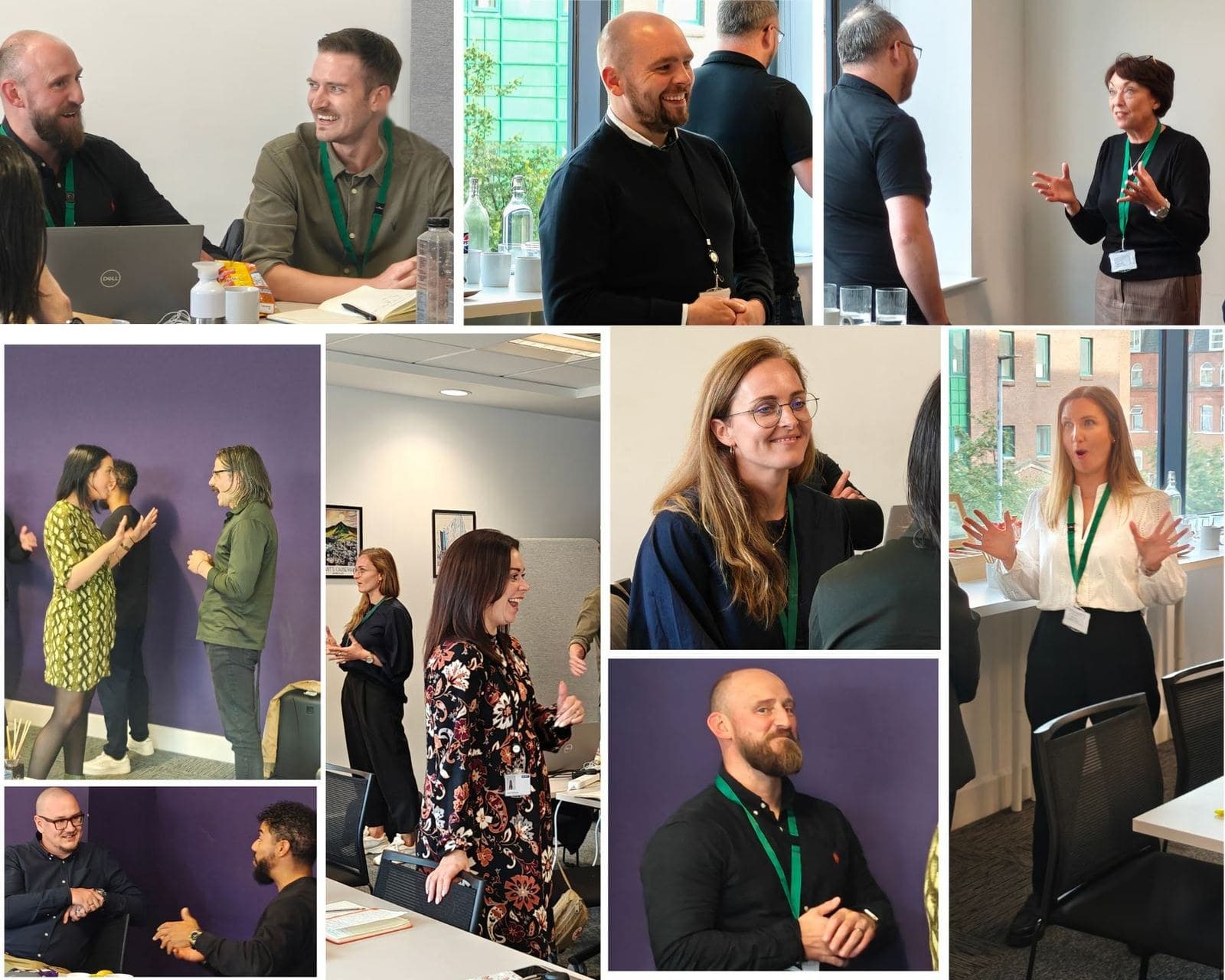
Who our presentation skills training is for
This work is built for:
- Individuals and teams who present to clients, senior leaders or large audiences
- People who feel nervous about presenting and want a supportive place to practise
- Technical and specialist teams who need to explain complex ideas simply
- Graduate and early-career groups building their confidence
It is not the right choice for:
- Anyone looking for a course on slide design, since this work focuses on the person presenting
- A one-hour talk with no time for everyone to practise
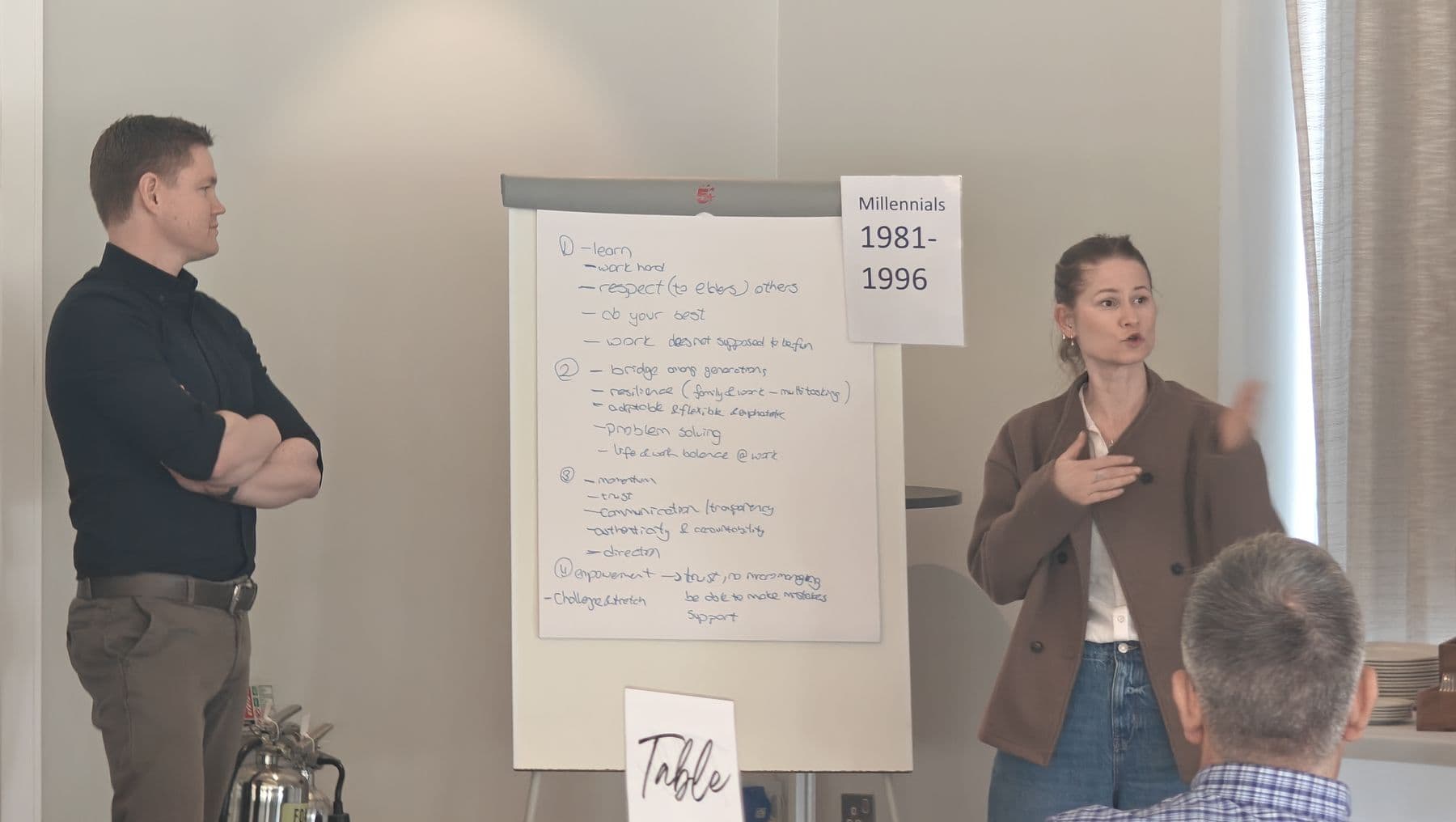
When teams book presentation skills training
- People who struggle with nerves when it comes to presenting
- Presenters who rely on reading from their slides
- Technical experts who need to explain complex work to non-specialists
- Teams preparing for client pitches, board updates or conference slots
- Managers who want to brief their teams with more confidence
- Newly promoted people presenting to senior audiences for the first time
What Presenting with Impact is
Presenting with Impact is Inner Leader's presentation skills training for teams, run in person anywhere in the UK as a full day, or online on Teams or Zoom in 3.5 hours. It helps people get their message across clearly and concisely, connect with their audience, handle questions well and come across with confidence and credibility.
What makes it different is the camera. Everyone presents, we record it live and we play it back straight away. Then we coach in the moment: what is working, what to change and how to try it again. People see and hear themselves the way their audience does, and they improve in front of their own eyes.
It is a supportive environment. Many people arrive nervous about presenting, and they are often the ones who make the biggest progress. The groups are small, the feedback is kind and specific and every round feels easier than the one before.
What the presentation skills course covers
The mindset and psychology of confident communication, including practical ways to manage nerves before and during a presentation.
How to create impact with your body language, your voice and your choice of words.
A simple way to structure any message so the audience remembers it.
Storytelling, a more conversational style and how to rely less on text-heavy slides.
Handling questions with confidence, in the room and online.

Why we record everyone on video and play it straight back
Most people have very little idea how they come across when they present. They feel nervous, so they assume they look nervous. Usually they look far more composed than they feel, and the habits that get in the way, such as speaking too quickly or moving straight past the most important point, are the ones they never notice.
Watching yourself back closes that gap in seconds. Research on video feedback has shown for many years that seeing your own performance speeds up learning, because you are no longer relying on someone else's description of what you did. Adults learn best through experience, reflection and another go, and the camera lets us run that cycle many times in a single day.
So each person presents, watches the playback, gets coached on one or two specific changes and presents again straight away. That loop of practice, immediate feedback and more practice is the most accelerated way we know to build self-awareness and skill at the same time.
It is also where the confidence comes from. Psychologists have found that the strongest source of self-belief is seeing yourself succeed at something. When people watch their first recording next to their last one, the improvement is right there on the screen, and that is very hard to argue with.
How it works
Present early, on camera
Everyone gives a short presentation near the start of the day and we record it. This becomes the starting point, and it is often when people realise they come across better than they feared.
Learn the essentials
Mindset and nerves, body language, voice, structure and the words that make a message land, with plenty of demonstration and examples.
Practise with real-time playback and live coaching
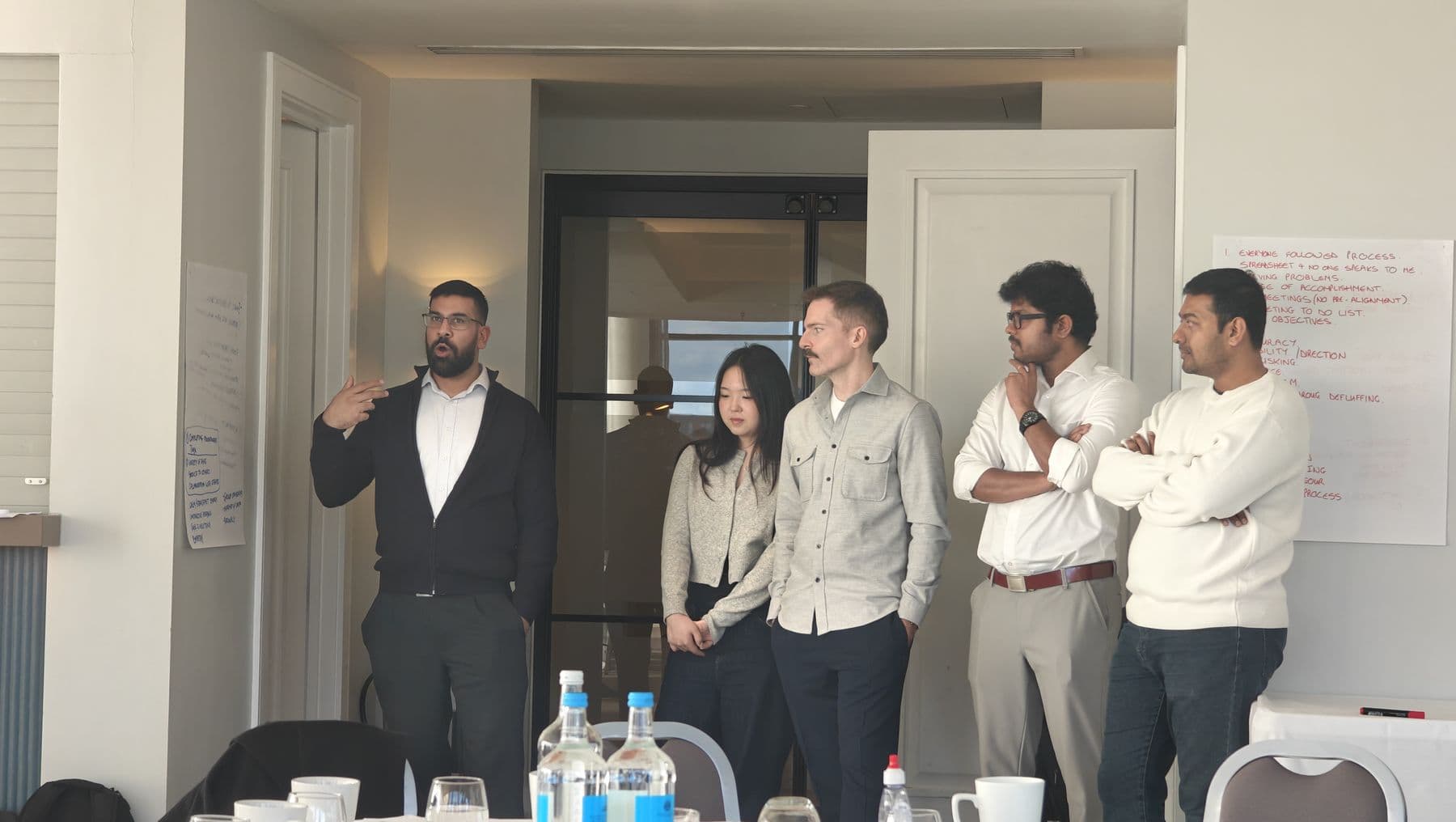
Each person presents again, watches the playback and gets specific, supportive coaching on the spot. Then they go again and apply it straight away.
Bring it back to real work
The final rounds use each person's own upcoming presentation, so what they practise is what they will deliver. We send everyone the tips and techniques to keep using afterwards.
Head of DepartmentITV
Subject: THANK YOU

Morning Tim,
Hope you got home ok yesterday!
I just wanted to drop you a note to thank you no end for yesterday's workshop.
I've never heard such unwavering positivity for a bit of training in all my years. Everyone absolutely loved it and are endlessly complimentary today.
I've heard a whole bunch of conversations amongst wider teams already sharing some of the tips this morning. Those that are doing the coaching course with you are also now incredibly excited for it.
So thank you, truly!
Speak soon,
ITV senior managers who learned to coach their own people
A new organisational structure was asking senior managers in ITV's media team to lead in a way they had not led before. Across the programme, their own rating of their confidence in coaching others rose by 116%, from an average of 3.7 out of 10 to 8.
What the ITV team said
Five members of an ITV team spent a day on Presenting with Impact in October 2025 and rated it 9.4 out of 10 on average. These are their words from the feedback forms they filled in at the end of the day.
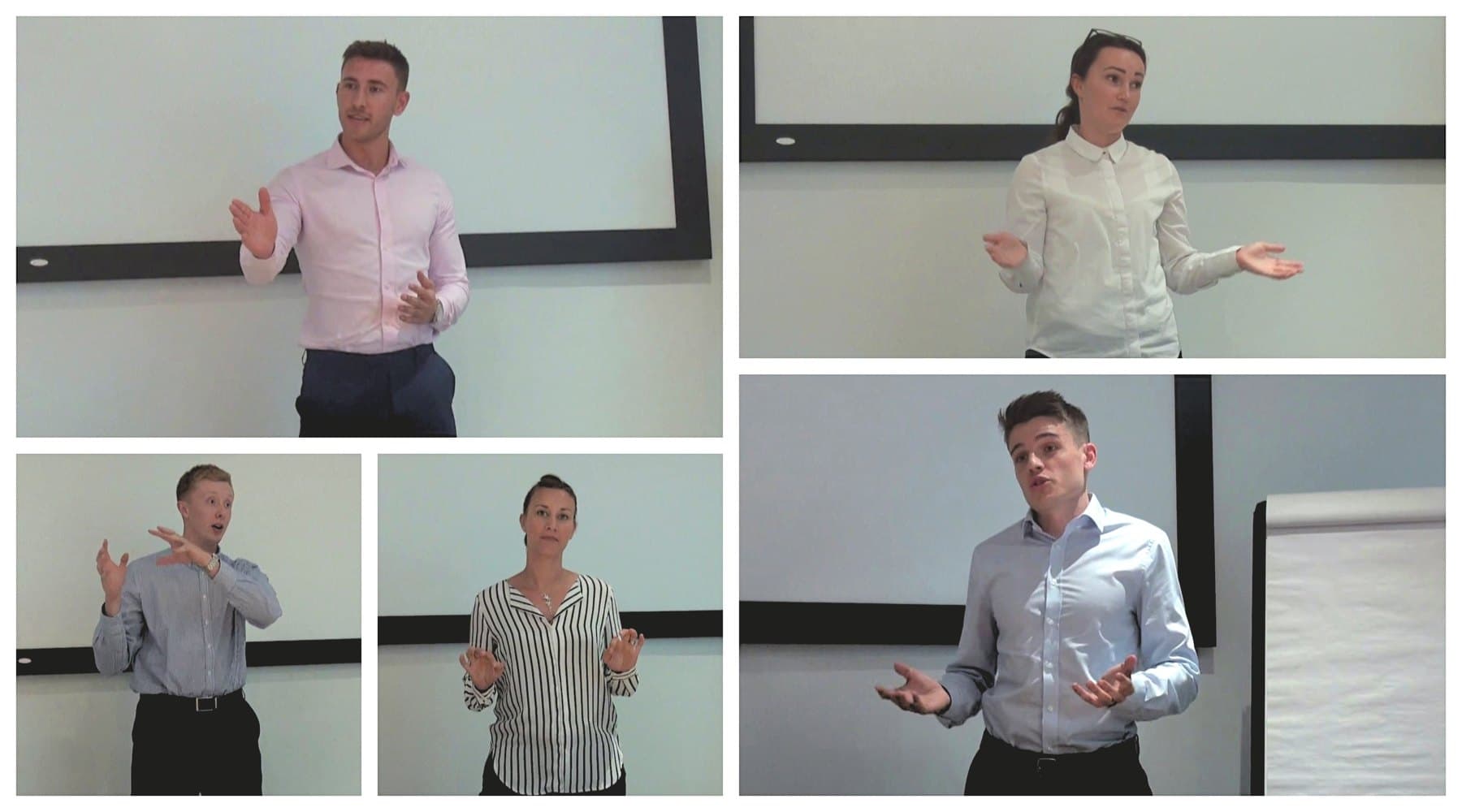
The filming is incredibly helpful. Great to see progress and talk about it.Participant, ITV
I enjoyed the visual progression made. I found this helped show the difference in skills.Participant, ITV
Tim was perfect at understanding exactly what I needed and delivered advice and feedback in a very supportive way!Participant, ITV
Strong structure and pace to the day. Tim very engaging and encouraging.Participant, ITV
Impactful and clear tools to use in professional and personal life.Participant, ITV
Outcomes you can expect
- More confidence and clarity when presenting
- A more conversational style and better use of stories
- Stronger engagement with audiences, in person and online
- Better use of voice, gestures and open body language
- More influence over the people you are presenting to
- Quicker preparation, better handling of questions and fewer text-heavy slides
How it runs
| Format | In person, where the camera work is at its best. A virtual version runs on Teams or Zoom. |
|---|---|
| Group size | 4 to 8 people is ideal, so everyone presents several times. Larger groups are possible. |
| Duration | A full day in person, or 3.5 hours online |
Questions
What is presentation skills training?
Presentation skills training helps people get their message across clearly and concisely, connect with their audience, handle questions well and come across with confidence and credibility. Presenting with Impact is Inner Leader's version for teams, run by our coaches and facilitators from our base in Leamington Spa, Warwickshire. Everyone presents on camera, watches the playback straight away and gets coached in the moment.
How long is the presentation skills training, and how many people can attend?
A full day in person, or 3.5 hours online. Groups of 4 to 8 people are ideal, so everyone presents several times. Larger groups are possible.
Where do you run presentation skills training?
In person anywhere in the UK, where the camera work is at its best, or virtually on Teams or Zoom with recording and playback built in.
Does everyone have to be filmed?
The filming is what makes the biggest difference, so we encourage everyone to take part. We introduce it gently, the groups are small and the feedback is always supportive. Most people tell us afterwards that watching themselves back was the most useful part of the day.
Can presentation skills training help with nerves?
Yes. Nervous presenters often make the most progress. Our team includes experienced mindset coaches, and for people who feel anxious about presenting we can use simple techniques such as Tapping, a calming technique that involves tapping lightly on points on the face and body, to reduce nerves. As one participant put it: 'Initially I was quite nervous, but Tim's engaging and supportive approach quickly put me at ease.'
Should people bring a presentation with them?
Yes, ideally. We ask everyone to prepare a short, simple slide deck on a real topic beforehand, so the practice is relevant to their work.
Can you run presentation skills training online?
Yes. The virtual version runs on Teams or Zoom, usually for 3.5 hours, with recording and playback built in. It is the right choice when most of the presenting your team does happens on screen.
How is this different from your communication skills training?
Presenting with Impact focuses on presenting to an audience, such as client pitches, board updates and conference slots. Communicating with Impact, our communication skills programme, focuses on everyday conversations at work, such as giving updates, influencing, working with senior people and giving feedback. Many teams do both.
Further reading
10 presentation skills tips to ace your team’s next presentation
Ten presentation skills you can use straight away, covering how to know your audience, structure the talk, design slides, rehearse and close well.
What a presenting with confidence course covers
What a presentation confidence course covers, how the day runs, why video feedback does most of the work and how presenting with confidence gets built.
Mastering virtual presentations: speech and body language on screen
Body language and voice in virtual presentations: eye contact, facial expression, gestures, posture and pace, plus how to rehearse for a screen.
Audience engagement in presentations
How to improve audience engagement in presentations: using story, slides that help you, non-verbal signals and engagement techniques that work in the room.
You might also look at
Communication Skills Training
Communicating with Impact: clear updates, influencing, working with senior people and feedback conversations
Graduate Development Programmes
Developing the leadership skills of graduates at the start of their careers
Leadership & Mindset Coaching
One-to-one coaching for leaders in a new role or facing a big challenge
Let's talk.
If your team has important presentations coming up, we would be glad to talk about a day built around them.
We’ll reply within one business day.